
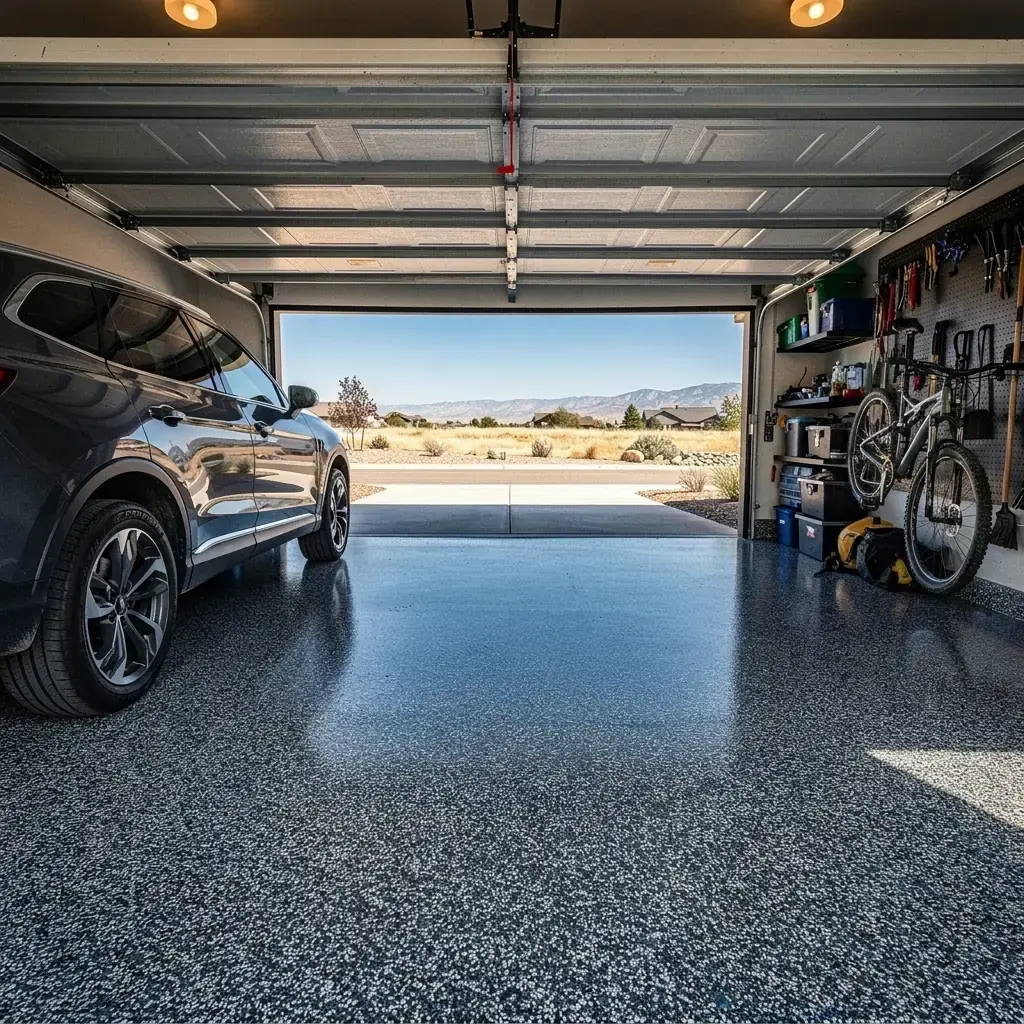
Basement & Interior Coatings in Lakewood, CO
Moisture-tested, low-VOC epoxy and polyaspartic coatings for Lakewood basements, laundry rooms, and interior slabs. We test the slab for vapor before any coating goes down, and quote the full job in writing first.
Why Lakewood basements need the moisture step first
Below-grade slabs in Lakewood push moisture vapor up from the Front Range clay, and a coating laid over that without testing will blister. Here is what we do on every interior floor we coat.
Vapor tested first
We run a moisture test before any product touches the slab. That is what stops a coated floor from blistering six months later.
Low-VOC indoors
Interior floors get low-VOC epoxy or polyaspartic systems that meet Colorado Air Quality Regulation 21 and cure without trapping you out of your basement.
Diamond-ground profile
We grind to a real mechanical profile so the coating has something to grip, not just a smooth troweled surface.
Written price first
You get the full number in writing before a drop of coating goes down, including any moisture-mitigation primer if the slab needs it.
How a basement floor gets coated right
Four steps from first call to a finished interior floor, priced in writing and vapor-handled before we coat.
Written quote
We measure the space and send a line-item price in writing. If the slab needs a moisture-mitigation primer, that is in the quote, not a surprise later.
Grind & moisture test
Diamond-grind the slab to a mechanical profile, repair any cracks, and run a moisture test. If vapor emission is high, we apply a mitigation primer before the base coat.
Base coat
Apply the low-VOC epoxy or polyaspartic base. Below-grade and interior slabs get systems selected for indoor air, not just durability.
Topcoat & cure
Seal with a clear polyaspartic or urethane topcoat that resists scuffs, moisture, and everyday foot traffic. Walk-on time depends on temperature and system.
Coated interior slab vs bare or painted concrete
| What matters indoors | Bare or painted slab | Coated with us |
|---|---|---|
| Moisture handling | None; vapor rises freely | Tested first; mitigation primer if needed |
| Durability | Floor paint chips and flakes within seasons | Ground-and-bonded epoxy holds under foot traffic |
| Cleanability | Porous concrete holds stains and is hard to mop clean | Sealed surface wipes down; laundry spills clean up fast |
| Dust | Untreated slab sheds fine grit onto everything | Sealed surface eliminates concrete dust |
Signs your basement slab needs attention
Below-grade slabs in Lakewood give clear signals when they need coating or preparation. These are the ones we see most.
White haze or chalky residue
Efflorescence, a white mineral deposit left by water moving through the slab, is a direct sign of moisture vapor pushing up from below. It has to be removed before coating.
A damp or musty smell
If the basement smells musty even when dry, the slab is likely transmitting vapor. A moisture test tells us whether a mitigation primer is needed before we coat.
Flaking floor paint
Old floor paint that blisters or peels off in sheets was almost always applied over a slab that was not ground or moisture-tested. We grind it back to sound concrete.
Constant concrete dust
Untreated interior slabs shed a fine grit. It settles on storage shelves and HVAC equipment and tracks into the house. A sealed coating stops it.
Finishing an uncoated basement
A bare slab is fine while a basement is utility space, but if you are finishing the room, a coating is the fastest way to get a cleanable, finished-looking floor without flooring over it.
Water pooling after heavy rain
Surface water and vapor are different problems. Pooling can mean a grading or drain issue that needs to be addressed before we coat. We will flag it on the quote visit.
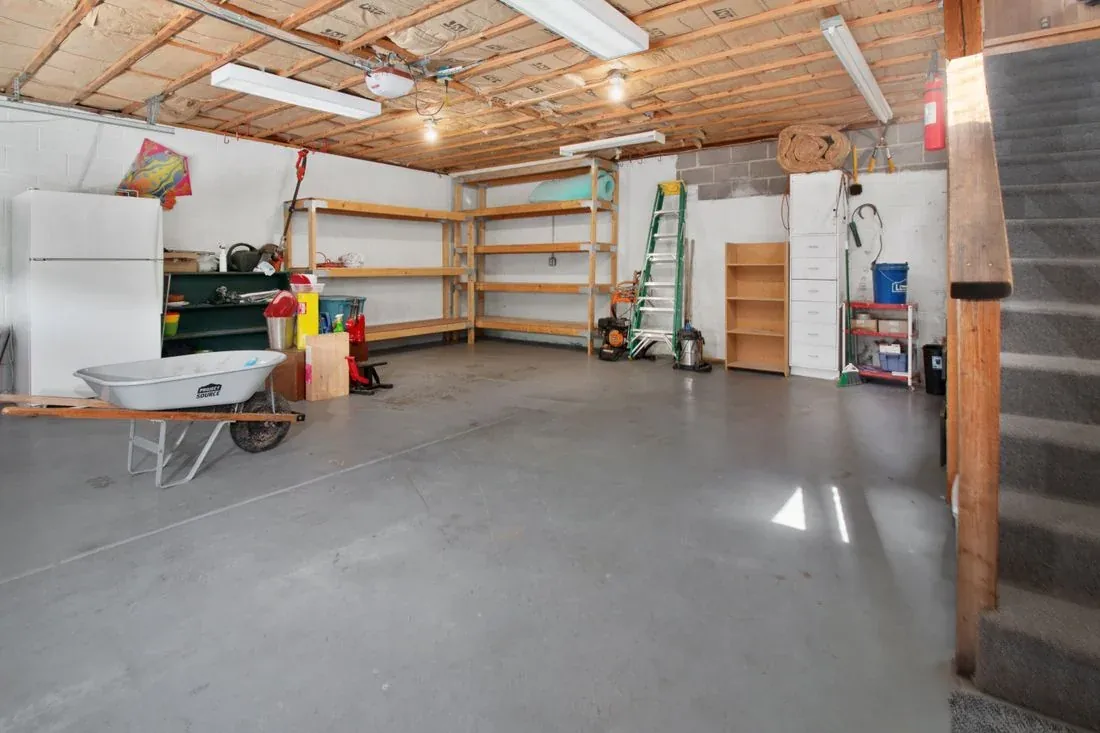
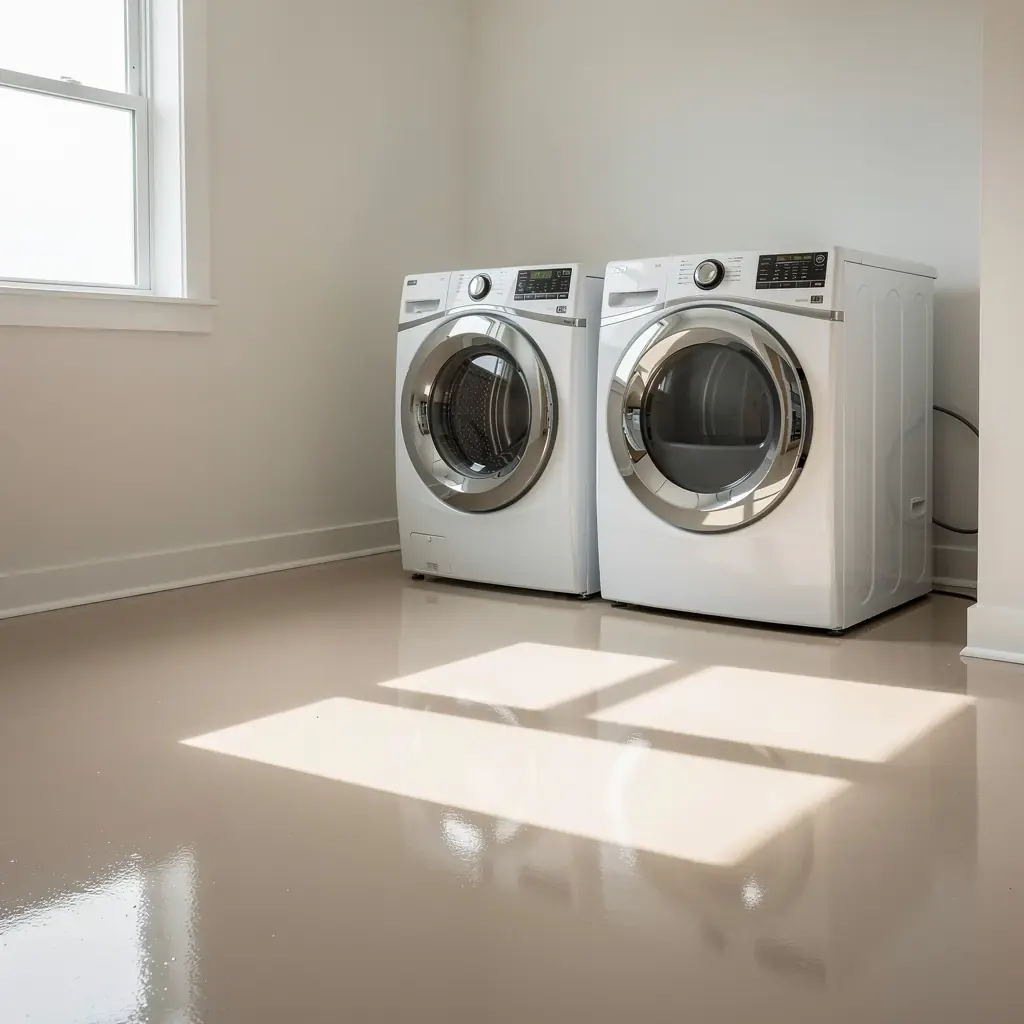
Why Lakewood basements need moisture testing first
Lakewood basements sit fully below grade in clay-heavy soil that pushes moisture vapor up through the slab year-round. A floor that looks dry on the surface can still be driving enough vapor to blister a coating within months. We moisture-test every interior slab before any product goes down, and if vapor emission exceeds the coating threshold, we apply a mitigation primer first. Low-VOC systems matter indoors too. Jefferson County is in the Denver metro ozone nonattainment area, and Colorado Air Quality Regulation 21 restricts high-solvent coatings statewide. Sealing an enclosed basement with a high-VOC product means those fumes stay. We use low-VOC epoxy and polyaspartic systems on every interior job.
- ✓ Vapor-tested slab
- ✓ Low-VOC systems
- ✓ Mitigation primer if needed
- ✓ Diamond-ground profile
- ✓ Fully insured
- ✓ Written price first
Garage, basement and commercial floors in Lakewood
Residential and commercial concrete coatings, all ground and moisture-tested before we coat.
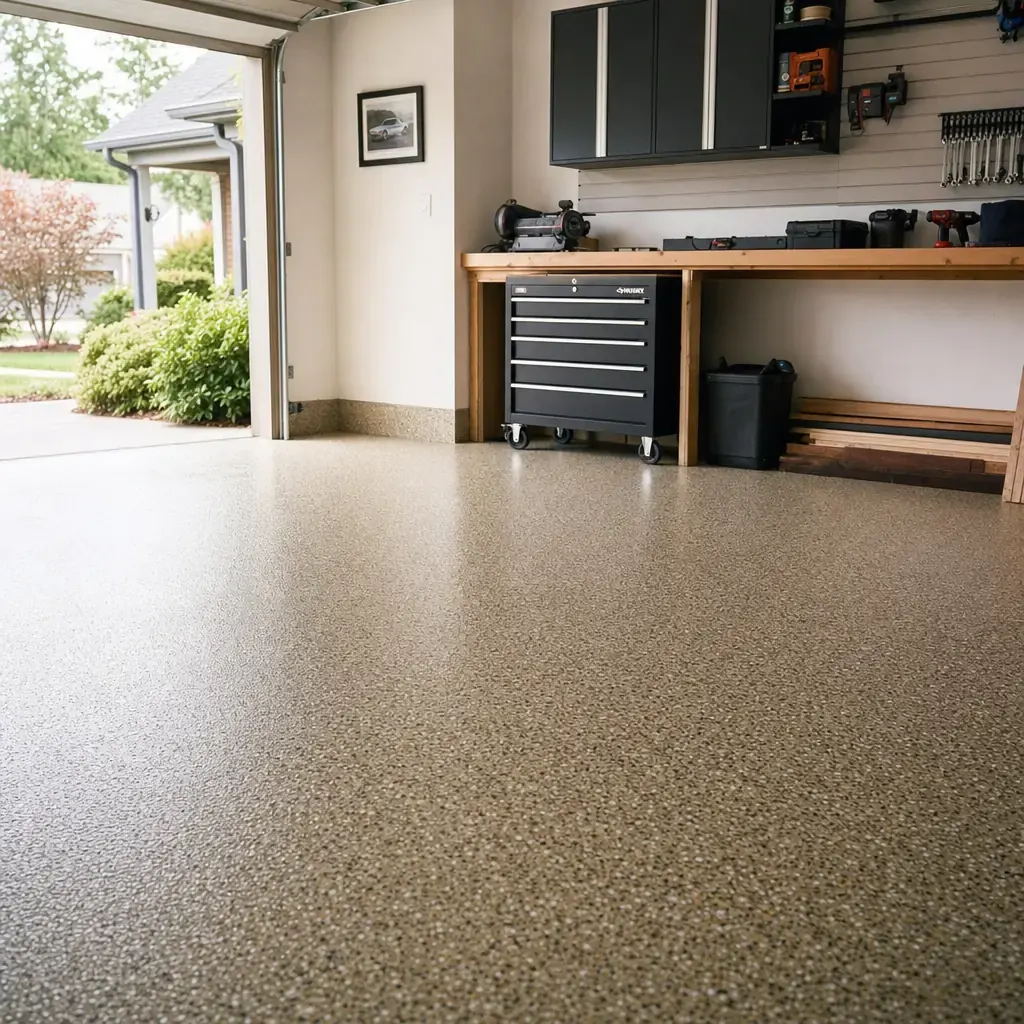
Garage Floor Epoxy
Diamond-ground epoxy and polyaspartic garage floors built for Front Range temperature swings.
Learn more →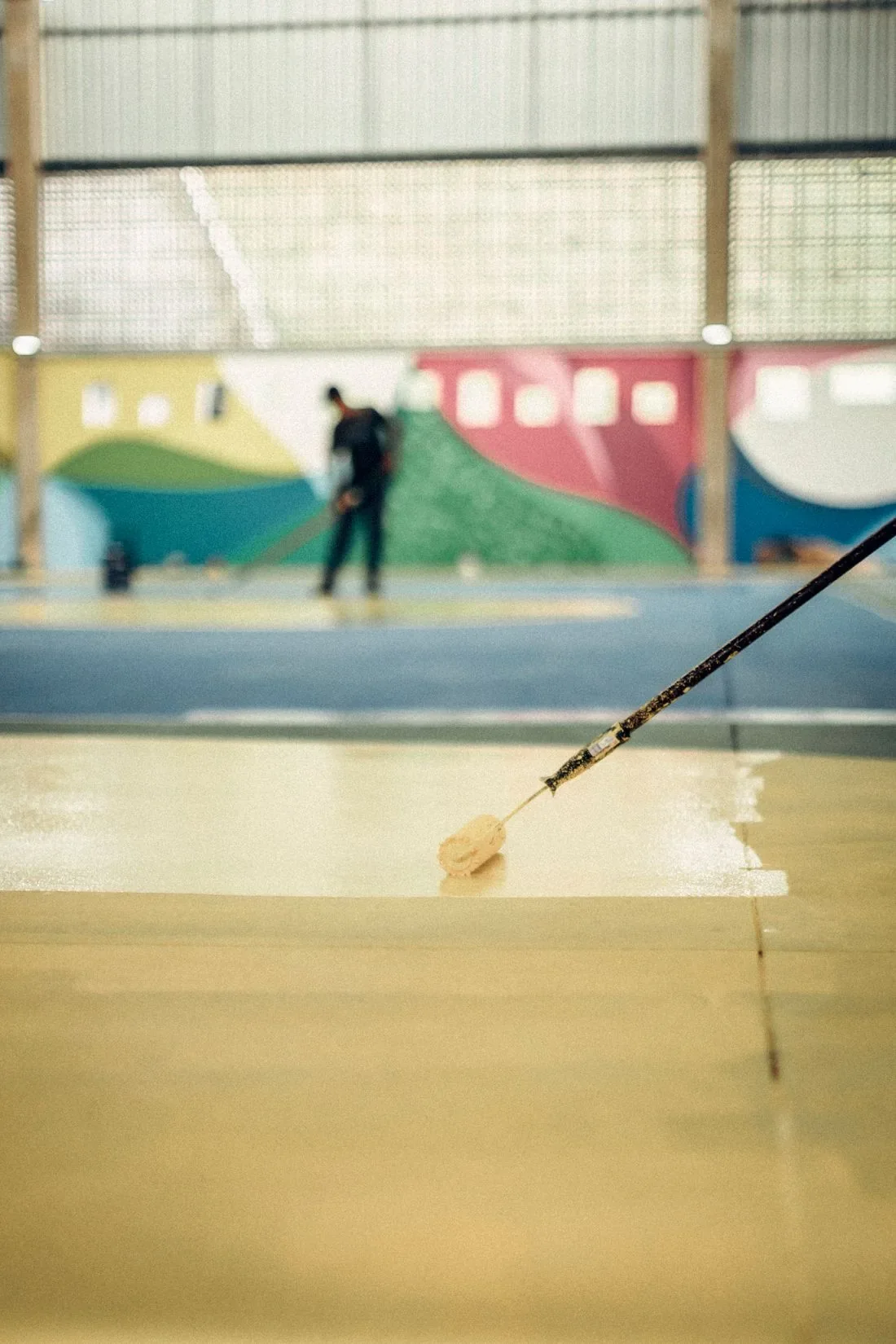
Polyaspartic Coatings
A fast-cure, UV-stable topcoat that is usually walk-on the next day and will not yellow.
Learn more →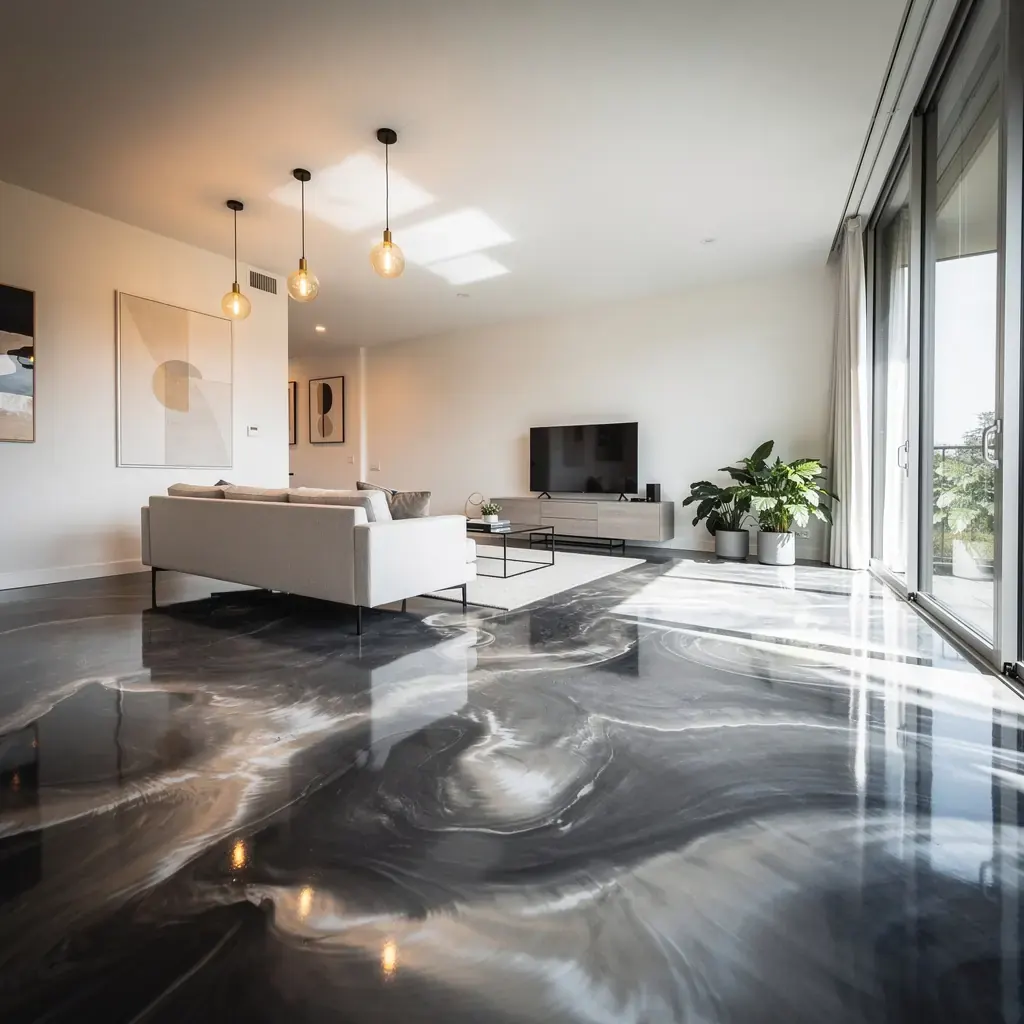
Metallic Epoxy Floors
Decorative metallic floors with depth and movement, sealed for basements and showrooms.
Learn more →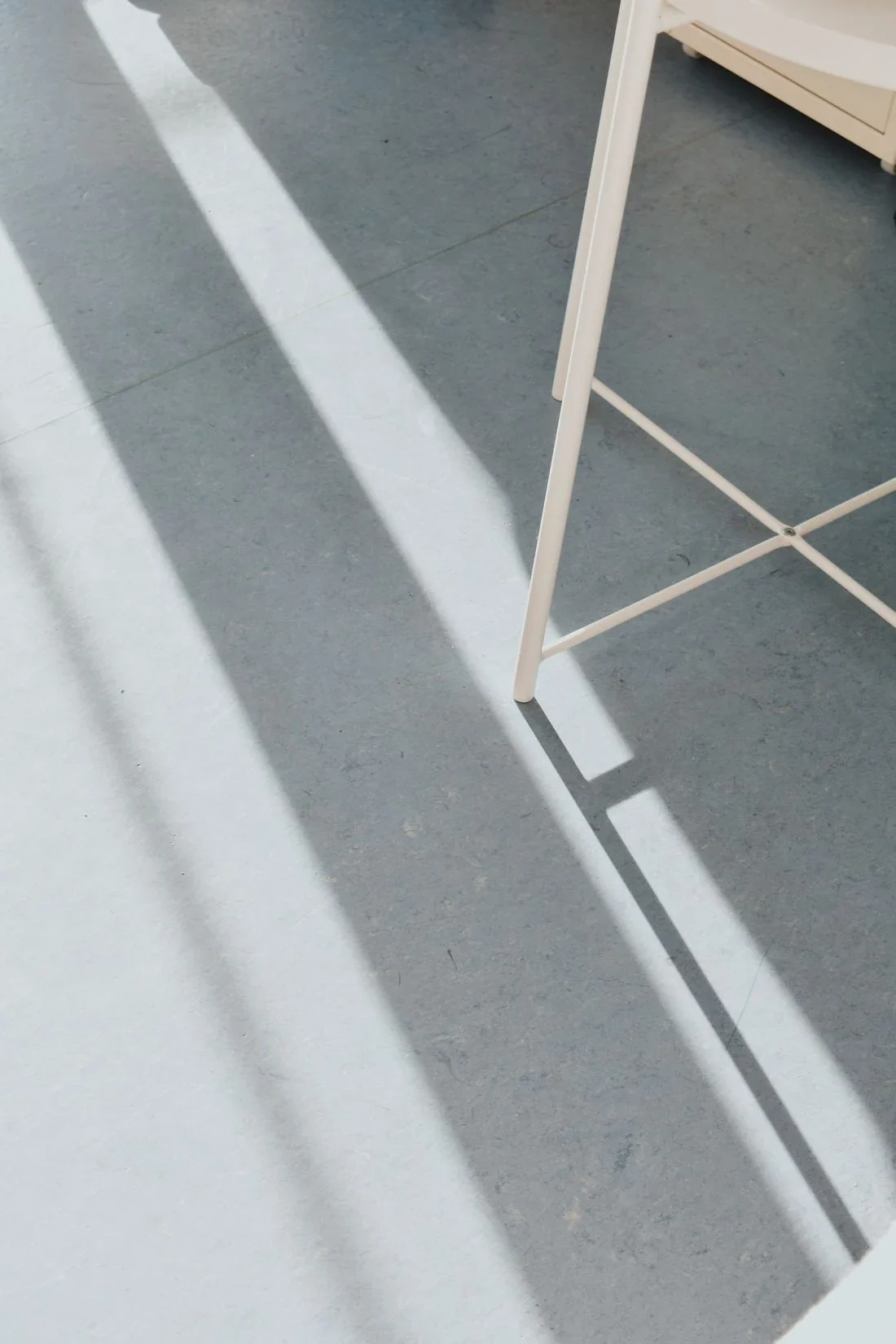
Concrete Staining
Acid and water-based stains that color existing concrete instead of covering it.
Learn more →Basement & Interior Coatings
Moisture-tolerant coatings for basements, laundry rooms, and interior slabs.
Learn more →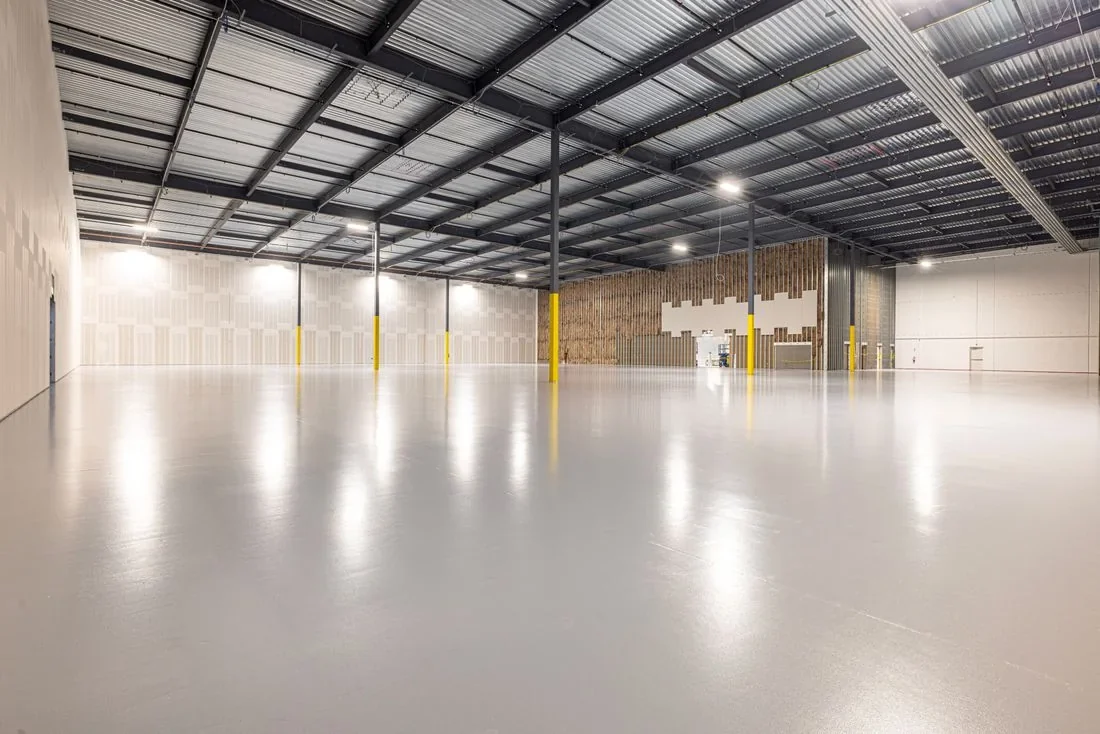
Commercial Epoxy Flooring
Durable, low-VOC floors for shops, warehouses, and retail across Jeffco.
Learn more →Lakewood and all of Jefferson County
We coat floors across Lakewood and the metro, from Golden and Wheat Ridge out to the foothills towns and south to Littleton, with the price in writing and no out-of-area surcharge.
Basement coating questions for Lakewood homeowners
Ready to coat your basement or interior floor?
Call for a written quote on your Lakewood basement, laundry room, or interior slab. We test for moisture first and pick the right low-VOC system for your space.